Why Are Flamingos Pink?
Flamingos are not born with the brilliant pink feathers that make them instantly recognizable. Newly hatched chicks are covered in pale gray or white down. Their color develops gradually from pigments hidden inside their food.
Flamingos feed on algae, brine shrimp, and other small organisms found in shallow, salty water. Many of these foods contain carotenoids, a family of natural pigments that also gives carrots their orange color and tomatoes their red color.
During digestion, a flamingo breaks down these pigments. They are absorbed, chemically modified, and deposited in the growing feathers, skin, and beak. The stronger the supply of suitable pigments, the richer the color can become. Different flamingo species therefore range from pale blush to deep coral red, depending partly on their natural diets.
The transformation cannot be maintained permanently without the right food. A flamingo receiving too few carotenoids may gradually grow paler as old feathers are replaced. Zoos carefully design flamingo diets to include the pigments the birds would obtain in the wild. Without them, a healthy flamingo could eventually become almost white.
Flamingos also spread oil from a gland near the base of the tail across their feathers while grooming. This oil contains pigments and can temporarily intensify their color, particularly during courtship.
Their pink appearance is therefore neither a permanent property nor a color painted onto the surface. Each feather records what the flamingo has been eating while that feather was growing.
Source: Why Are Flamingos Pink? And Other Flamingo Facts, Smithsonian National Zoo - Carotenoids and Animal Signaling, Geoffrey Hill and Kevin McGraw
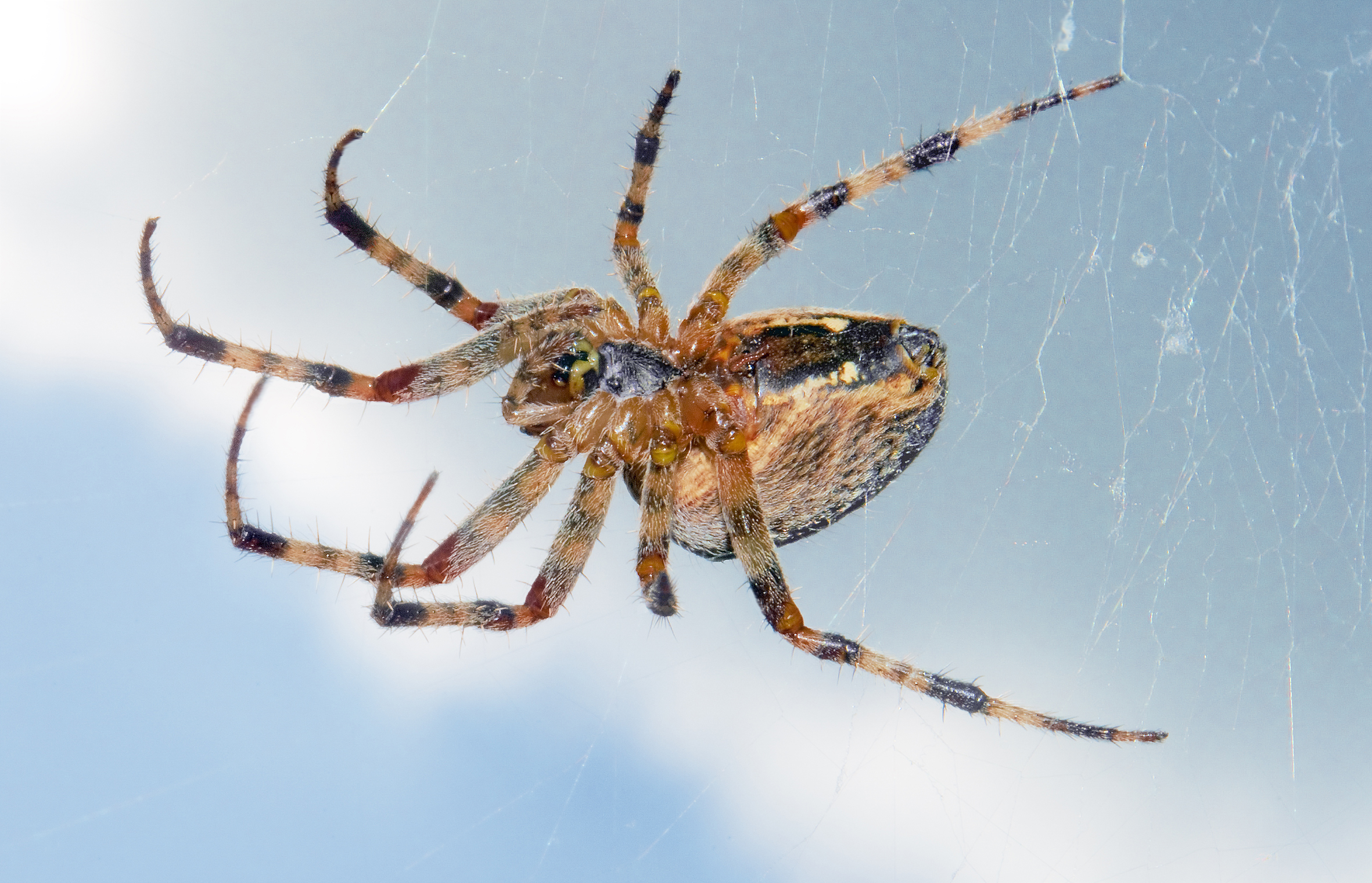
European garden spider (Araneus diadematus)
Source: By Michael Gäbler