Why Does Fear Make Your Hair Stand Up?
Goosebumps appear when thousands of tiny muscles pull on individual hair follicles.
Each muscle, called an arrector pili, connects a follicle to the surrounding skin. Cold or strong emotion activates the sympathetic nervous system, which controls automatic responses such as sweating and changes in heart rate. The muscles contract, lifting the hairs and puckering the skin around them.
In furry mammals, raised hair traps a thicker layer of insulating air. It can also make a frightened animal appear larger to a rival or predator. Humans retain the same machinery but no longer possess enough body hair for either effect to work well.
Emotional goosebumps may accompany fear, awe, music, or an intense memory. These experiences activate brain systems connected with arousal, allowing an ancient physical response to appear during events that present no actual cold or danger. The reaction is sometimes called piloerection, meaning the raising of hair.
Scientists have also found that the muscles and nearby sympathetic nerves help support stem cells involved in regenerating hair follicles. When the skin experiences prolonged cold, this system may encourage the growth of new hair in animals.
A chill running across your skin is therefore more than an odd sensation. It is a visible remnant of a response that once raised an entire protective coat.
Source: Cell Types Promoting Goosebumps Form a Niche to Regulate Hair Follicle Stem Cells, Cell - Diverse Stimuli Induce Piloerection and Yield Varied Autonomic Responses, Biological Psychology
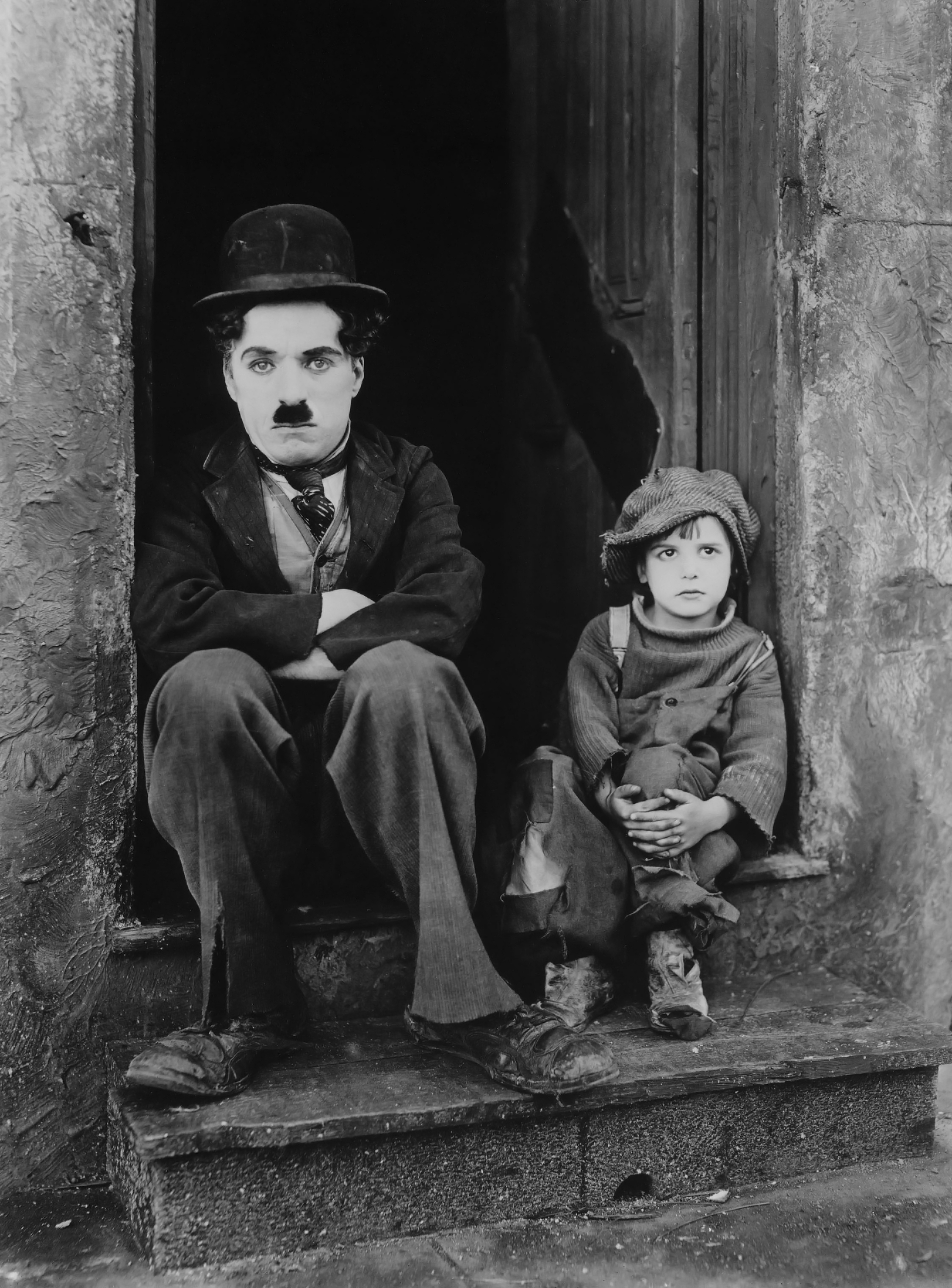
1921 photo from "The Kid" featuring Charlie Chaplin and Jackie Coogan