Why Do We Still Change Our Clocks Twice a Year?
Changing the clocks does not create more daylight. It moves an hour of available sunlight from the morning to the evening during the warmer part of the year.
Modern daylight saving time grew from proposals by New Zealand scientist George Hudson and British builder William Willett. Germany and Austria introduced national clock changes in 1916 during the First World War, hoping to reduce the need for artificial lighting. Other countries soon followed.
The United States used daylight saving time inconsistently until the Uniform Time Act of 1966 established common rules. The present schedule, beginning in March and ending in November, took effect in 2007.
Supporters value brighter evenings for shopping, recreation, and travel. Critics point to sleep disruption, darker winter mornings, and evidence that modern energy savings are small or inconsistent. Medical groups often favor permanent standard time because morning light helps regulate the body’s internal clock.
The changes continue largely because agreement ends once people are asked which permanent time should replace them. Permanent daylight saving time offers brighter evenings but very late winter sunrises. Permanent standard time provides earlier morning light but earlier summer sunsets.
Federal law allows states to remain on standard time throughout the year, as Hawaii and most of Arizona do. States cannot independently adopt permanent daylight saving time. Although the House passed a permanent daylight saving proposal in 2026, it had not become law by October. The clocks still change because the country agrees that changing them is frustrating, but not on what should replace it.
Source: Daylight Saving Time, United States Department of Transportation - Daylight Saving Time, Congressional Research Service
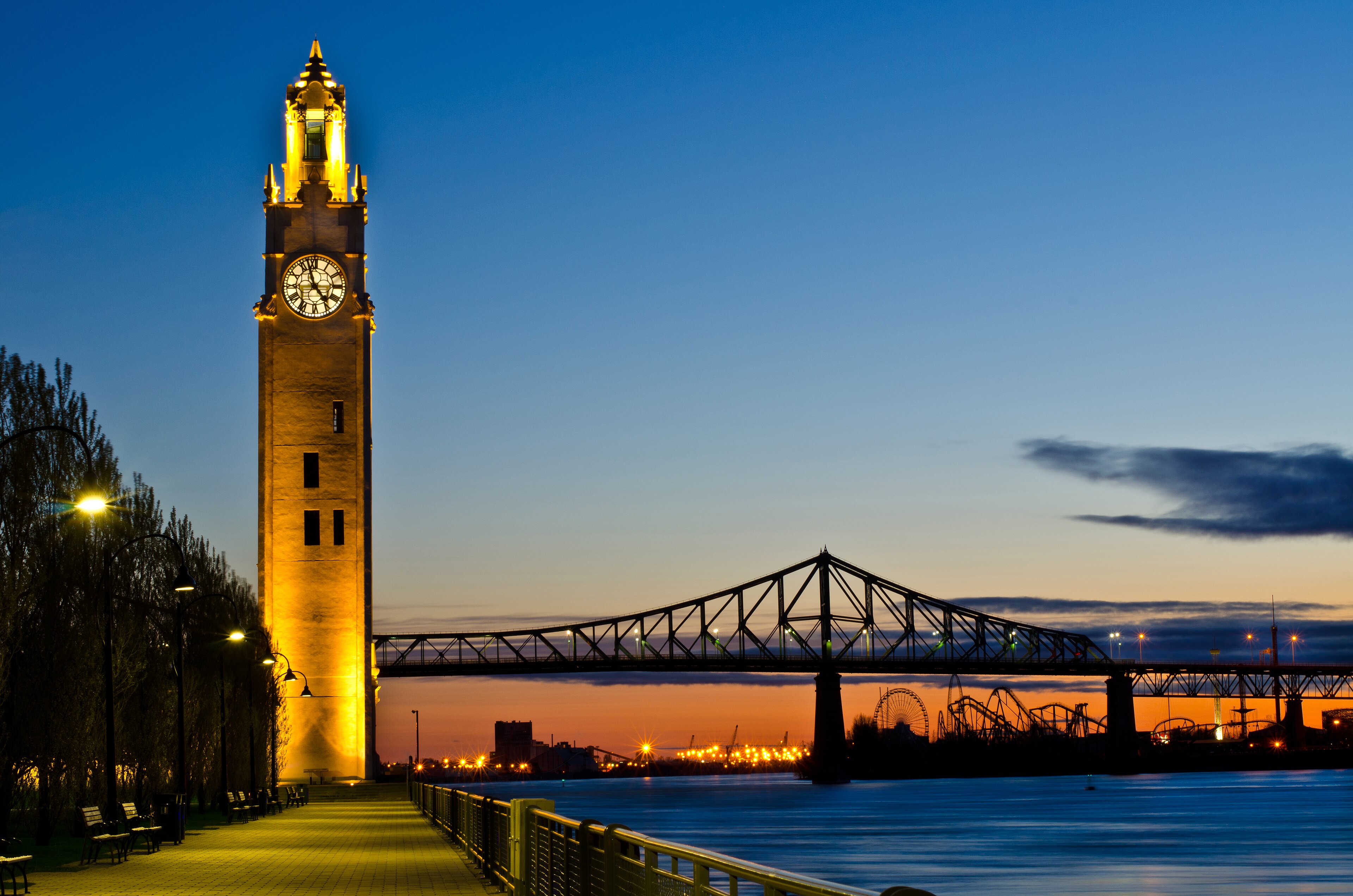
The Montréal Clock Tower, Canada
Source: Michael Vesia