Why Does the Ground Smell Alive After Rain?
The familiar smell after rain does not come from the water itself. It begins in dry soil, plants, rocks, and microscopic life, then waits for raindrops to carry it into the air.
Australian researchers Isabel Joy Bear and Richard Thomas investigated the scent during the 1960s. They found that during dry periods, oils released by plants accumulate on soil and stone. When moisture returns, some of these substances become airborne. The researchers named the phenomenon petrichor, combining Greek words associated with stone and the fluid said to flow through the veins of the gods.
A major part of the earthy smell is geosmin, a compound produced by soil dwelling microorganisms, particularly bacteria in the genus Streptomyces. The human nose is remarkably sensitive to it. Only a tiny concentration is needed for us to detect the scent.
Rain provides an elegant delivery system. When a drop strikes a porous surface, it traps small pockets of air. These form bubbles inside the drop, rise, and burst, throwing minute aerosols into the atmosphere. Light or moderate rain can be especially effective at producing them. The floating droplets may contain aromatic compounds and traces of material from the soil.
There can also be a sharper smell before a storm. Electrical activity can help form ozone, which descending air may carry toward the ground. It is different from petrichor, though the two experiences are often combined in memory.
The scent of rain is therefore not merely weather arriving. It is the ground becoming airborne for a moment, allowing us to smell what was already waiting beneath our feet.
Source: Massachusetts Institute of Technology, Rainfall Can Release Aerosols - CSIRO, The Smell of Rain
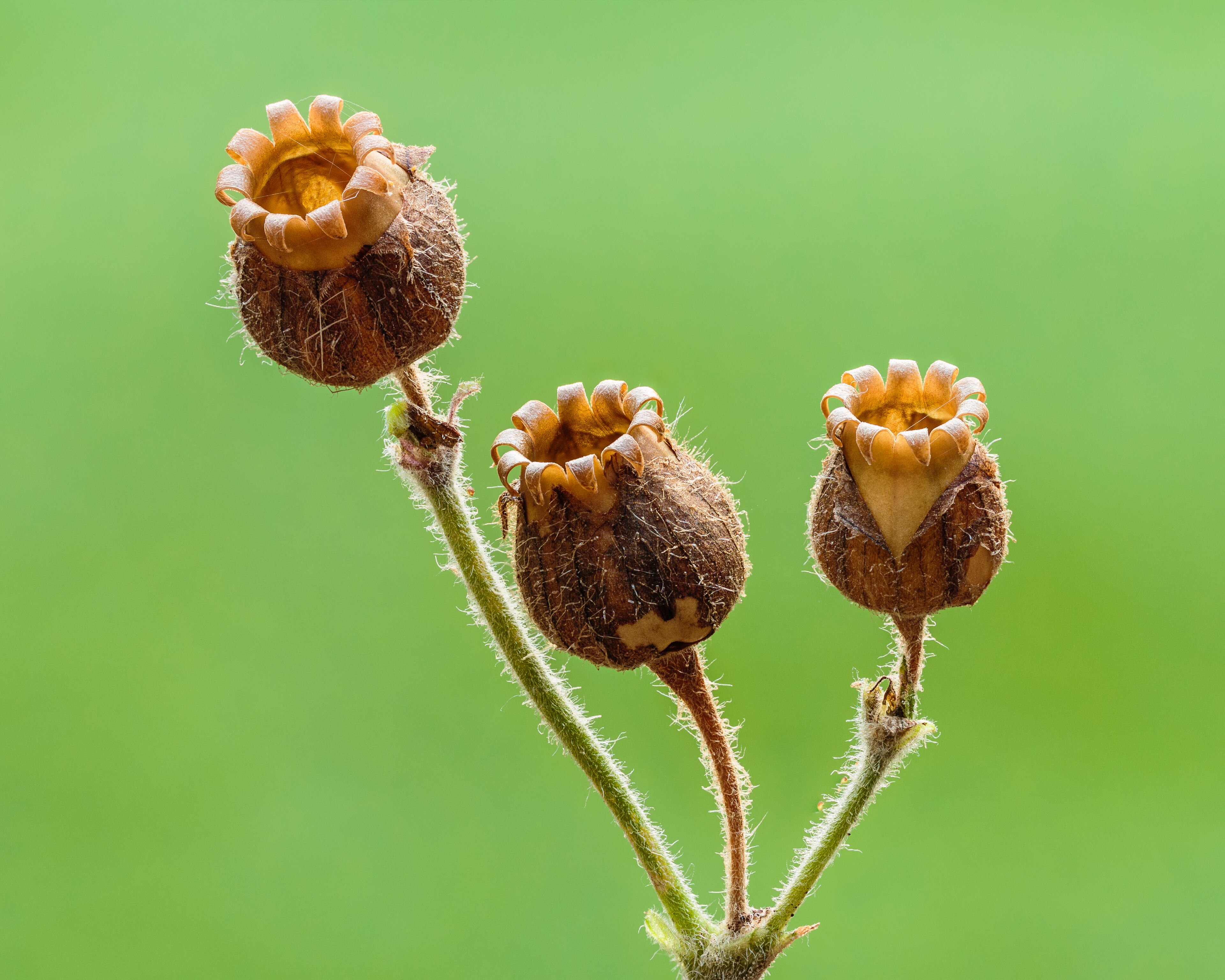
Seed pods of a Silene dioica
Source: By Dominicus Johannes Bergsma